O Playbook de Startup do Paul Graham: 10 Ensaios Essenciais
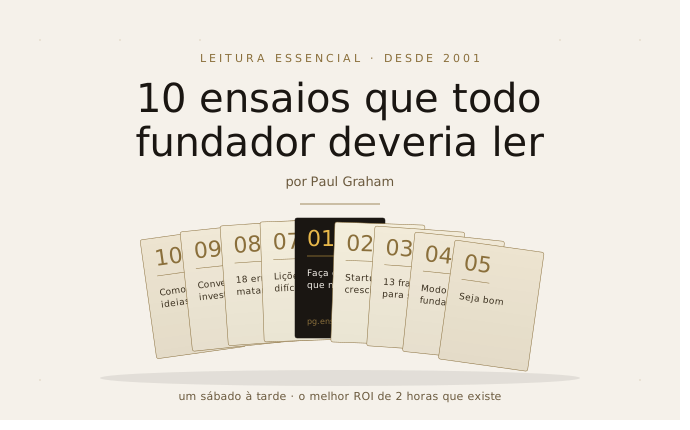

Os 10 ensaios de Paul Graham que todo fundador deveria ler
Paul Graham é cofundador do Y Combinator. Airbnb, Stripe, Dropbox e Reddit foram moldados pelo pensamento dele. Os ensaios que ele publica desde 2001 são a coisa mais próxima de um manual de startup que existe — e são gratuitos.
1. Do Things That Don't Scale
A tese: startup não decola sozinha. Você precisa "dar partida" manualmente, como carro antigo de manivela.
Airbnb foi de cidade em cidade fotografando apartamentos dos primeiros hosts. Stripe inventou a "Collison installation": quando alguém dizia "vou testar", os irmãos Collison pegavam o notebook da pessoa ali e instalavam na hora. Não mandavam link, não mandavam doc — faziam na frente.
O erro clássico: fundador acredita que é só fazer deploy, rodar tráfego pago e esperar. Não é. Os 10 primeiros usuários você recruta na mão, individualmente, tratando cada um como VIP.
Se você ainda não faz coisas que não escalam, você ainda não passou da fase inicial. Ponto.
2. Startup = Growth
A tese: startup é crescimento. Não é ter escritório, não é ter aporte, não é ter CNPJ novo. É uma empresa desenhada para crescer rápido.
Os números que o YC usa como régua:
- 1% por semana = você ainda não descobriu o que está fazendo
- 5-7% por semana = saudável, está no jogo
- 10% por semana = excepcional
Composto em 4 anos, a diferença é brutal: uma empresa que gera R$ 1.000/mês crescendo 1% ao mês chega a R$ 7.900/mês. A 5% por semana, chega a R$ 25 milhões/mês.
A implicação prática: se você escolhe uma meta semanal de crescimento e persegue só essa métrica, praticamente toda decisão fica óbvia. "Devo ir nesse evento?" Só se ajuda a bater a meta. "Devo construir essa feature?" Só se ajuda a bater a meta.
Crescimento é a bússola.
3. Startups in 13 Sentences
A tese: 13 princípios que condensam tudo que o YC aprendeu. A folha de dicas mais direta que existe.
Vou resumir os que mais importam:
- Escolha bons cofundadores (o fator número um)
- Lance rápido
- Deixe a ideia evoluir
- Entenda seus usuários
- Melhor fazer poucos te amarem do que muitos te acharem ok
- Ofereça atendimento surpreendentemente bom
- Você vira aquilo que você mede
- Gaste pouco
- Fique "ramen profitable" (ou seja: receita suficiente pra pagar as contas básicas dos fundadores)
- Evite distrações
- Não se desanime
- Não desista
- Deals vão cair — não conte com eles até assinar
Imprime e cola no monitor.
👉 paulgraham.com/13sentences.html
4. Founder Mode
A tese (de 2024, virou meme no Vale): o conselho convencional de "contrate bons gerentes e dê autonomia" está errado para empresas lideradas por fundadores.
O ensaio nasceu de uma palestra do Brian Chesky (Airbnb). Ele contou que seguiu à risca o playbook clássico — delegou, criou camadas, deu autonomia — e quase quebrou a empresa. Só voltou a crescer quando passou a operar no estilo Steve Jobs: skip-level meetings, envolvimento profundo em áreas específicas, furando hierarquia quando necessário.
Graham chama isso de founder mode. O resto (gerenciar por proxy, tratar áreas como caixa-preta, confiar cego em relatório de gerente) é manager mode — e funciona pra CEO contratado, não pra fundador.
A implicação: você não tem obrigação de virar "CEO profissional" conforme cresce. Na verdade, isso pode matar a empresa. O que te trouxe até aqui (obsessão com detalhe, contato direto com produto, decisão rápida) é exatamente o que precisa continuar.
👉 paulgraham.com/foundermode.html
5. Be Good
A tese: nenhum growth hack supera produto que as pessoas amam. E produto que as pessoas amam geralmente vem de fundador tentando genuinamente ajudar, não extrair valor.
Graham observa que muitas startups no começo são indistinguíveis de uma ONG. Craigslist e Google são exemplos — passaram anos focados em ajudar usuário antes de focar em monetização, e justamente por isso viraram gigantes.
A implicação contra-intuitiva: em vez de obsessão com monetização no dia 1, você deveria obsessionar com "isso aqui é genuinamente útil?". Se for, o dinheiro vem depois. Se não for, nenhum funil de vendas salva.
"Be good" aqui não é moralismo hippie. É estratégia. Empresas que tentam trapacear o usuário (dark patterns, fees escondidos, lock-in abusivo) raramente sobrevivem a longo prazo porque perdem a confiança — que é o ativo mais caro de reconstruir.
6. How to Make Wealth
A tese: riqueza não é tirada de outras pessoas, é criada. E startup é a forma mais rápida de fazer isso porque permite alavancagem: alcançar muita gente com equipe pequena.
O cálculo mental que o Graham faz:
- Empregado médio rende, digamos, X por ano pra empresa
- Numa startup você trabalha 3-4 anos como 3-4 pessoas (medido em intensidade e foco)
- E com alavancagem (tecnologia + mercado grande) seu impacto pode ser 30-100x maior
- Logo, em 4 anos de startup você pode compactar o que levaria 30-40 anos de carreira tradicional
O custo é alto: intensidade, risco, falta de garantia. Mas o mecanismo é matematicamente simples.
A implicação: pare de tentar "inventar uma ideia bilionária" e comece a entender o que é alavancagem. O que faz uma mesma hora de trabalho sua valer 1x ou 100x? Software escalável, mercado grande, distribuição eficiente.
7. The Hardest Lessons for Startups to Learn
A tese: as distrações que silenciosamente matam startups. Graham identificou elas depois de observar centenas de empresas no YC.
As oito mais importantes:
- Lance cedo. Lance uma v1 mínima, não uma v1 quebrada. Mais startups morrem por lançar devagar do que por lançar rápido.
- Continue lançando features. Usuário ama produto que melhora toda semana. Isso também é marketing.
- Faça os usuários felizes. Você não pode forçar ninguém a usar seu produto. Você canta pela ceia.
- Tenha medo das coisas certas. Não tenha medo dos grandes (Google, etc.). Tenha medo de você mesmo parar de executar.
- Compromisso é uma profecia autorrealizável. Se você entra achando "vou tentar 3 meses, se não der certo eu saio", você já perdeu.
- Sempre tem espaço. "Mas alguém já faz isso" quase nunca é motivo pra não fazer.
- Não crie expectativas. Deals até assinar não existem. Investidor até o dinheiro cair não existe.
- Velocidade, não dinheiro. Levantar mais capital não resolve problemas de execução. Só adia.
👉 paulgraham.com/startuplessons.html
8. The 18 Mistakes That Kill Startups
A tese (de Graham literalmente): existe um só erro que mata startup — não fazer algo que usuários querem. Os outros 17 são variações disso.
A lista curta:
- Fundador solo
- Localização ruim (estar longe de outros fundadores)
- Nicho marginal (escolher mercado pequeno pra evitar competição)
- Ideia derivativa (cópia de algo existente)
- Teimosia (não adaptar)
- Contratar programador ruim
- Escolher plataforma errada
- Demorar pra lançar
- Lançar cedo demais
- Não ter um usuário específico em mente
- Levantar pouco dinheiro
- Gastar demais
- Levantar dinheiro demais
- Má gestão dos investidores
- Sacrificar usuário por lucro (suposto)
- Não colocar a mão na massa no negócio
- Brigas entre fundadores
- Esforço morno (continuar no emprego CLT "por segurança")
Evite esses 18 e você está à frente de 90% das equipes. Simples assim.
👉 paulgraham.com/startupmistakes.html
9. How to Convince Investors
A tese: investidor decide nos primeiros minutos se você parece vencedor ou perdedor. Depois disso, é difícil reverter.
O que investidor procura (nessa ordem):
- Fundadores formidáveis — pessoa que parece que vai conseguir o que quer, independente dos obstáculos
- Mercado promissor — grande e crescente
- Alguma evidência de tração
E o que é ser "formidável"? É confiança justificada. Não é swagger, não é imitar CEO do Vale falando inglês americano. É você entender profundamente o problema e acreditar genuinamente que vai resolvê-lo.
A receita para fundador inexperiente:
- Faça algo que vale a pena investir
- Entenda por que vale a pena
- Explique isso com clareza
É isso. Se você não consegue convencer você mesmo de que seu negócio vale o investimento, nenhum deck bonito vai resolver. Investidor detecta insegurança fingida a 1km de distância.
👉 paulgraham.com/convince.html
10. How to Get Startup Ideas
A tese: ideias boas de startup não são pensadas — são notadas. Tentar sentar na cadeira e "bolar uma ideia bilionária" é o caminho mais rápido pra ideia ruim.
A fórmula mais famosa do ensaio, combinação de Paul Buchheit com Robert Pirsig:
"Viva no futuro e construa o que está faltando."
Gente na fronteira de uma tecnologia, indústria ou comportamento vive no futuro em relação ao resto do mercado. Esses são os que notam o que ainda não existe mas já deveria existir.
Testes práticos pra uma ideia:
- Você mesmo tem esse problema?
- Tem um pequeno número de pessoas que urgentemente precisam disso? (Melhor do que milhões que "achariam legal")
- A ideia parece chata ou "schlep" (trabalhosa)? Ótimo — menos competição.
- A ideia tem um jeito de crescer que você consegue imaginar?
Não fazer: tentar copiar tendência ("Uber for X", "Airbnb for Y"). Quando você está fazendo isso, você já está atrasado.
👉 paulgraham.com/startupideas.html
Por que isso importa
O fundador que lê Paul Graham chega diferente. Sabe que:
- Execução vale mais que ideia (e ideia boa você nota, não inventa)
- Crescimento é a única métrica que importa no começo (5-7% semanais é a régua)
- Fazer coisas que não escalam é exatamente o que você deve fazer nos primeiros 10 usuários
- Lançar rápido e iterar mata menos startup do que perfeccionismo
- Founder mode > manager mode quando você ainda é fundador
Todos os ensaios estão em paulgraham.com/articles.html. Gratuitos. Sem paywall, sem ebook, sem curso. Um sábado à tarde e você cobre os 10.
Se você está construindo, captando ou escalando alguma coisa, esse é o melhor ROI de 2 horas que existe.
Depois me manda qual bateu mais forte.