Outliers - The Story of Success
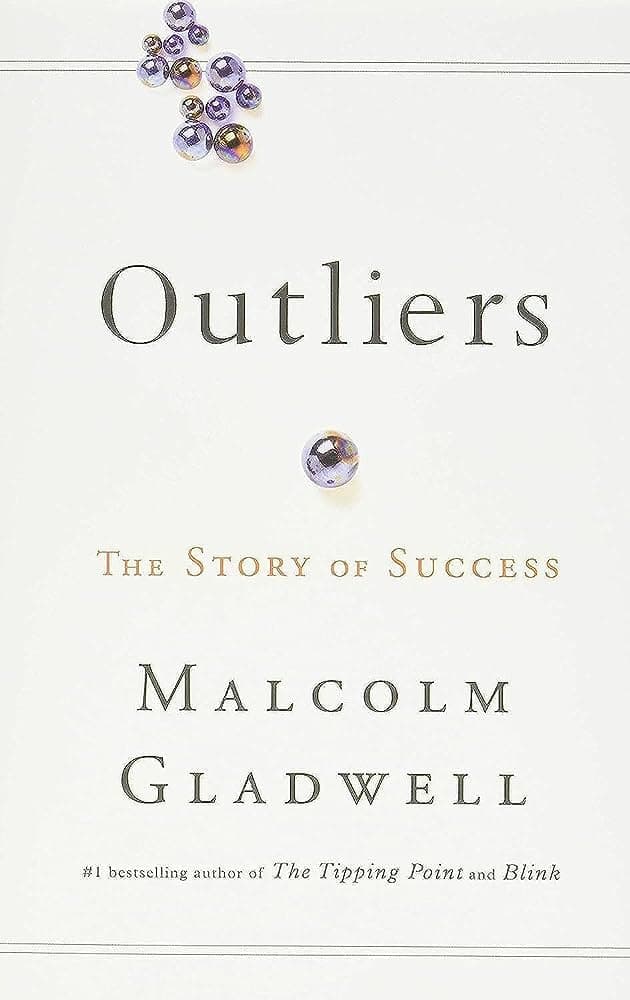

O livro Outliers examina o que leva certos indivíduos ao sucesso extraordinário. Gladwell argumenta que o sucesso raramente se deve somente ao talento e ao trabalho árduo. Fatores como data e local de nascimento, ascendência familiar, oportunidades recebidas e pura sorte frequentemente desempenham um papel igualmente crucial.
Alguns casos analisados:
-
Atletas canadenses de hóquei que nascem no início do ano têm mais chances de sucesso, pois são mais velhos e mais desenvolvidos fisicamente que seus pares de mesma série, já que o ponto de corte é 1 de janeiro.
-
Línguas asiáticas como o chinês facilitam o aprendizado de matemática, por terem sistemas numéricos mais lógicos. Isso ajuda a explicar a excelência de alunos asiáticos em matemática. Onze, doze nas línguas ocidentais não representam da melhor forma o número (10+1) como nas línguas asiáticas. Temos o mesmo para frações, 1/3, um terço é "três tira um" para os asiáticos.
-
O advogado Joe Flom teve a sorte de nascer numa geração pequena, ser judeu (impedido de entrar nos escritórios tradicionais) e se especializar em aquisições hostis antes que se tornassem comuns.
-
A cultura do arroz na Ásia enfatiza trabalho árduo e educação. Isso influencia hábitos como longas horas de estudo, fundamental para o sucesso acadêmico.
-
A Korean Air melhorou drasticamente sua segurança quando adotou cockpits mais horizontais, permitindo que copilotos questionassem comandantes autoritários.
A tese das 10 mil horas é um dos conceitos centrais apresentados em Outliers. Gladwell argumenta que a verdadeira maestria em qualquer campo requer cerca de 10 mil horas de prática deliberada.
Ele cita pesquisas mostrando que especialistas de elite em áreas tão diversas como música, esportes, xadrez e programação de computadores tipicamente acumularam pelo menos 10 mil horas de treinamento focado. Alguns exemplos do livro:
-
Bill Gates teve acesso precoce e extenso a computadores, permitindo que ele acumulasse 10 mil horas de prática de programação antes mesmo de entrar na faculdade.
-
Os Beatles tocaram por longas horas em casas noturnas de Hamburgo no início da carreira, aprimorando enormemente suas habilidades antes de se tornarem famosos.
-
Grandes músicos clássicos, como Mozart, tipicamente tiveram a oportunidade de praticar intensamente desde muito jovens, acumulando suas 10 mil horas na adolescência.
Gladwell enfatiza que a prática deve ser deliberada - focada, estruturada e visando melhorar o desempenho. Não basta experiência ou tempo gasto na atividade.
A ideia das 10 mil horas destaca um tema chave do livro: o sucesso extraordinário requer oportunidades substanciais de desenvolver habilidades, frequentemente por pura sorte ou circunstância. Talento inato, embora necessário, é insuficiente por si só.
Embora a tese das 10 mil horas tenha sido criticada por alguns como simplista demais, ela ressalta a importância do treino intensivo e da oportunidade no desenvolvimento da maestria. Sucesso de elite é quase sempre precedido por muito trabalho árduo.
Em suma, Gladwell mostra que fatores além do controle do indivíduo são vitais para explicar o sucesso extraordinário. As circunstâncias da vida moldam profundamente nossas oportunidades.